My story
My First Time Giving Birth in the US
Right before my husband exited the military, I gave birth to our last child. It was a completely different experience from my births in Germany. Here in the States, we don't have as many ultrasounds — and that made me uncomfortable, even though I knew it was normal.
As we all know, the mortality rate for women of color is ridiculously high. I was super nervous during my last trimester and completely terrified. I had a serious talk with my husband about how he needed to advocate for me and keep an eye on everything happening. I told him: "If something doesn't look right — please speak up."
"I told my husband: if something doesn't look right, please speak up. I knew I needed someone in my corner before I ever walked through those hospital doors."
What happened
A Doctor Who Wasn't Present for Me
Most of the staff was very pleasant and welcoming — but the doctor who was supposed to help me deliver was too wrapped up in COVID concerns and didn't prioritize my well-being. I had my daughter in June 2022, when COVID rates were no longer as high.
She refused to come in the room unless I had my mask on — which was fine while we were waiting to get to 10 centimeters. But she knew I couldn't wear a mask while giving birth, so she went to put on a hazmat suit and completely missed my daughter's birth.
The scariest moment
Too Much Epidural, Cord Around the Neck, and One Incredible Nurse
I almost had to go to the OR because I was given too much epidural. I had difficulty breathing and no energy to push. I was barely pushing when we discovered my daughter's cord was wrapped around her neck. The team gave me a choice: one big push or a C-section. I was giving up — and so was the team.
I could see the fear in my husband's eyes as he told me I had to push. I was too exhausted to react.
💛 The nurse who saved everything
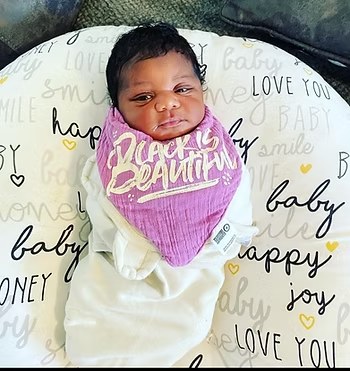
Luckily, one amazing Black nurse came into the room and said — NO ma'am. She got behind me and told me to get it together and push. I thank GOD for her. She didn't want me going to the OR unless I truly needed to. I gave one big push and my daughter's head was out. They removed the cord from around her neck. Then one final push — and she was here.
The epidural experience
What Went Wrong with My Epidural
The anesthesiologist couldn't get the needle in my back correctly — it was so painful going in and coming out, and she attempted it twice before calling her supervisor. The supervisor placed it with no problem, then left the room — leaving the first person to give me the dosage.
The dosage was way too high. For a natural birth, the epidural should numb up to the belly button. For a C-section, up to the chest. Mine went to my collarbone. I felt like I could barely breathe. I pressed the call button — but a nurse was already rushing in because my blood pressure had dropped dangerously low.
She did a cold test, and I could only feel it on my neck and face. They turned the epidural off and sat me upright to let the medication level out in my body.
Later, the anesthesiologist came in and told me she thought I was "super sensitive" to epidural and had only given me a third of the normal dosage. But I knew the truth — she had given me too much and wanted to cover herself.
How to advocate for yourself in the birth room
- Bring a doula or a trusted person who knows your birth plan and will speak up for you
- Talk to your partner or support person before labor about when and how to advocate
- Ask questions about every procedure and medication being given to you
- You have the right to say no, ask for a second opinion, or request a different provider
- Know the warning signs — if something feels wrong, say so loudly and clearly
- Research your hospital and providers ahead of time — find people who see you
- Consider seeking care from Black maternal health advocates or midwives in your area
This is not to discourage you — it is to empower you
I was truly scared to give birth here. Thankfully I made it through and had another beautiful baby. This story is not meant to discourage anyone from becoming a mother or having more beautiful babies — but to encourage you to find the right medical providers, have a great support system, and know that your life matters in that birth room.