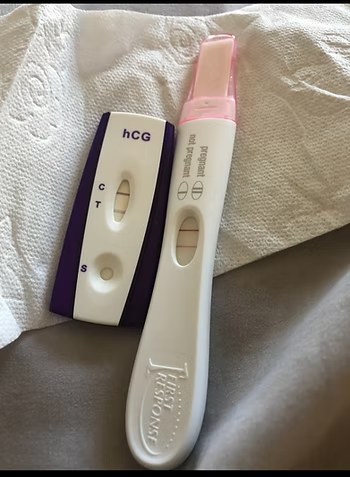
💛 Tiffany's personal story
I had this with my first daughter — for those of you who didn't get it, thank your lucky stars
I lost 22 pounds from hyperemesis gravidarum and it didn't go away until around 36 weeks. At one point during my pregnancy, I was nibbling on grapes and Cheese-Its and sipping tiny amounts of water just to get through the day. I was prescribed different medications and tried a million home remedies — and nothing worked. It was one of the hardest things I've ever been through, and I want other mamas going through this to know they are not alone.
"Hyperemesis gravidarum is not just morning sickness. It is a serious medical condition that deserves real support, real treatment, and real compassion."
What Is Hyperemesis Gravidarum?
Hyperemesis gravidarum (HG) is a severe and prolonged form of nausea and vomiting during pregnancy. It is characterized by extreme symptoms that go far beyond typical morning sickness — and it can lead to significant weight loss, dehydration, and other serious complications if not treated.
Symptoms to Watch For
The symptoms of hyperemesis gravidarum are much more severe and long-lasting than typical morning sickness:
Severe and frequent vomiting
Inability to keep down food and fluids
Significant weight loss
Dehydration
Electrolyte imbalances
Extreme fatigue
Lightheadedness or fainting
Inability to function daily
🔬 What causes hyperemesis gravidarum?
The exact cause isn't fully understood, but it is related to the rapid rise of hCG (human chorionic gonadotropin) levels and hormonal changes during early pregnancy. Some women are more susceptible than others — and having HG in one pregnancy increases the likelihood of experiencing it again.
Treatment Options
If you are experiencing severe nausea and vomiting during pregnancy, please seek medical attention promptly. There are treatment options available:
Fluid and electrolyte replacement
The primary treatment for HG involves rehydrating and correcting electrolyte imbalances — often through intravenous (IV) fluids in a hospital setting. This is often the first step when symptoms are severe.
Medications
Antiemetic medications that reduce nausea and vomiting may be prescribed. Common options include ondansetron and promethazine. Work with your healthcare provider to find what is safe and effective for you.
Nutritional support
In some cases, tube feeding or parenteral nutrition (delivered through an IV) may be necessary to provide essential nutrients to both mother and baby when eating is not possible.
Rest and stress reduction
Adequate rest and reducing stress where possible can also play an important role in managing hyperemesis gravidarum. Give yourself permission to slow down — your body is working incredibly hard.
⚠️ Please seek medical attention promptly
Untreated hyperemesis gravidarum can lead to serious complications for both mother and baby. If you are unable to keep fluids down, have lost significant weight, or feel faint — please contact your healthcare provider or go to the emergency room. You deserve care. You deserve relief. Please don't suffer in silence.
If you are going through hyperemesis gravidarum right now — I see you. I know how isolating and exhausting it is. You are so strong, and this will pass. Surround yourself with support, communicate openly with your healthcare team, and be gentle with yourself every single day. 💛
⚕️ Disclaimer: This post is not intended to be medical advice. Always check with a qualified medical provider with any questions or concerns you have during your pregnancy.